
Prefab containers
How do prefab containers perform in different climates? This question has become increasingly relevant as these innovative homes gain popularity around the world. Prefab containers are celebrated for their versatility, durability, and affordability, but their performance can vary depending on the climate in which they are installed. Understanding how these structures adapt to different weather conditions is key for anyone considering them as a long-term housing solution.
Prefab containers are primarily made from high-quality steel, which gives them their strength and durability. Steel is excellent at withstanding structural stress, which makes these containers resilient in areas prone to storms or heavy winds. However, steel also conducts heat and cold rapidly, so the natural properties of the material can affect interior comfort depending on the climate. In hot climates, a prefab container can absorb and retain heat, making insulation and ventilation critical for maintaining livable indoor temperatures. Properly installed insulation, reflective coatings, and strategically placed windows help keep the interior cool, even under intense sun.
In colder climates, prefab containers also require careful adaptation. Steel alone cannot prevent heat loss, so insulating the walls, roof, and floors is essential. Spray foam, fiberglass, or rigid polyurethane panels are commonly used to create a thermal barrier, helping maintain warmth inside. Additionally, double-glazed windows and well-sealed doors prevent drafts, making prefab containers capable of providing comfort comparable to traditional homes. The steel frame, being strong and airtight when properly modified, also helps prevent heat from escaping, which is a major advantage in wintery regions.
Humidity and precipitation are other factors that influence the performance of prefab containers. In tropical or coastal areas where humidity is high, moisture-resistant coatings, waterproof roofing, and anti-corrosion treatments are necessary to protect the steel from rust. Proper drainage around the base of the container and elevated installation can further prevent water damage. When these measures are in place, prefab containers are surprisingly resilient in wet climates, resisting mold, mildew, and structural degradation that might affect conventional wooden structures.
Prefab containers also perform well in earthquake-prone regions due to their modular steel construction. The steel frame can flex slightly under pressure without collapsing, which provides an inherent advantage over rigid materials like concrete or brick. In regions with frequent seismic activity, reinforced foundations and proper anchoring can further enhance stability. This adaptability shows that prefab containers are not just suitable for extreme temperatures or wet conditions but can also meet the structural demands of active geological zones.
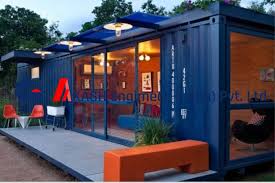
How do prefab containers perform in different climates?
In arid and desert climates, prefab containers can be designed to withstand intense sunlight and large temperature swings between day and night. Reflective coatings, insulated roofs, and strategic ventilation all help in controlling the internal climate. Moreover, prefabricated containers can be painted with light colors to reflect heat, reducing the need for air conditioning. This not only improves comfort but also reduces energy consumption, making prefab containers an environmentally friendly option in regions where cooling demands are high.
Wind resistance is another important aspect of climate performance. Prefab containers, because of their steel construction and rectangular design, are generally able to resist strong winds better than traditional wood-frame structures. Anchoring and structural reinforcements are key, especially in hurricane-prone zones. With these precautions, prefab containers can remain stable and secure even during extreme weather events, offering a safe and reliable housing option.
The adaptability of prefab containers to different climates is also enhanced by modern technological improvements. For instance, adding solar panels can make these homes self-sufficient in sunny regions, while advanced HVAC systems allow for precise climate control in both hot and cold areas. Insulated panels and smart materials can improve energy efficiency, enabling prefab containers to perform effectively while minimizing utility costs regardless of the external environment.
Overall, prefab containers have proven to be versatile, resilient, and adaptable structures. Whether in tropical, desert, cold, or seismic-prone regions, their performance largely depends on proper insulation, ventilation, waterproofing, and structural modifications. While steel alone does not regulate internal temperatures, the combination of modern materials and smart design ensures that these homes can provide comfort and durability in virtually any climate. They offer a flexible, sustainable, and cost-effective housing solution that is increasingly favored around the globe.
In conclusion, the question of how do prefab containers perform in different climates? can be answered with confidence: these homes perform remarkably well when adapted to local environmental conditions. With appropriate insulation, ventilation, waterproofing, and design adjustments, prefab containers can withstand extreme heat, cold, humidity, and even natural disasters like earthquakes and strong winds. Their steel construction, modular design, and adaptability make them a viable option for modern housing needs, proving that prefab containers are not just a temporary solution but a long-term, climate-resilient choice for homeowners worldwide.
