
b2b market include
The B2B market is a vast and dynamic sector that drives global commerce. Understanding what industries the B2b market includes is essential for businesses aiming to expand their reach and forge strategic partnerships. Unlike B2C, where companies sell directly to consumers, B2B transactions occur between businesses, encompassing a wide array of industries and specialized services. This makes the B2B landscape complex, yet full of opportunities for those who can identify potential markets and supply chain needs.
When exploring the question of what industries the b2b market includes, it becomes clear that manufacturing plays a significant role. Manufacturers often supply raw materials, components, or finished products to other businesses rather than individual consumers. From automotive parts and electronics to chemical compounds and machinery, the B2B market includes suppliers who facilitate large-scale production, enabling downstream industries to operate efficiently and meet demand.
Another major sector where the B2B market thrives is technology. Companies providing software solutions, cloud services, cybersecurity, and IT consulting primarily operate in a B2B model. Businesses depend on these solutions to enhance operations, streamline processes, and ensure data security. The B2B market includes tech service providers that offer specialized tools and platforms, helping enterprises achieve digital transformation and maintain competitive advantages in a rapidly evolving landscape.
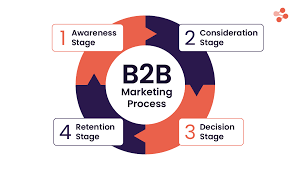
What industries does the b2b market include?
Financial services are also central to the B2B ecosystem. Banks, insurance companies, investment firms, and payment processors cater to the needs of other businesses rather than individual consumers. These services facilitate transactions, risk management, and investment strategies essential for business growth. The B2B market includes financial institutions that support companies in managing their capital, securing loans, and navigating complex regulatory environments, creating a foundation for long-term business stability.
Wholesale and distribution sectors further illustrate what industries the B2b market includes. Wholesalers connect manufacturers with retailers and other businesses, providing bulk quantities of goods at competitive prices. This segment is vital for maintaining the supply chain and ensuring that products reach markets efficiently. Additionally, logistics and transportation services are intertwined with this sector, as businesses require reliable shipping, warehousing, and inventory management solutions to sustain operations.
Professional services such as consulting, legal, marketing, and human resources also operate predominantly in the B2B domain. Companies often hire external experts to optimize strategies, navigate compliance requirements, or enhance workforce management. The B2B market includes these specialized service providers who bring expertise and scalable solutions to help organizations meet their goals effectively.
In conclusion, the B2B market spans multiple industries, each interconnected and essential for business operations worldwide. The B2B market includes manufacturing, technology, financial services, wholesale and distribution, and professional services, among others. Businesses operating in these sectors rely on collaboration and strategic partnerships to thrive, making the B2B market a cornerstone of global commerce and economic growth. By understanding which industries the B2B market includes, companies can identify opportunities, optimize their strategies, and position themselves for sustainable success in an increasingly competitive environment.
