
Fish handling is a fundamental process within the fisheries, aquaculture, and seafood processing industries. From the moment fish are harvested or captured until they reach consumers, the way they are handled directly influences product quality, food safety, fish welfare, and economic value. Improper fish handling can result in physical damage, stress, spoilage, contamination, and significant financial losses. Conversely, effective and well-managed fish handling practices ensure higher survival rates for live fish, better flesh quality for processed products, and compliance with regulatory and sustainability standards.
As global demand for seafood continues to rise, the importance of modern, efficient, and humane fish handling techniques has become more prominent than ever. Advances in technology, automation, and scientific understanding have transformed traditional practices into more controlled and data-driven systems. This article provides a comprehensive overview of fish handling, covering its principles, methods, equipment, challenges, innovations, and future trends, while clearly incorporating essential keywords relevant to the topic.
Understanding Fish Handling
Fish handling refers to all activities involved in managing fish during capture, harvest, transfer, storage, transport, processing, and distribution. It applies to both live fish and harvested fish and includes manual, mechanical, and automated processes.
The primary objective of fish handling is to maintain fish quality and welfare while minimizing damage and spoilage. Fish are highly perishable and sensitive to stress, temperature changes, and physical impact. Therefore, effective fish handling requires careful coordination of people, equipment, and environmental conditions.
Importance of Proper Fish Handling
The role of fish handling extends across multiple aspects of the seafood value chain. Proper fish handling preserves freshness, texture, color, and flavor. Gentle handling, rapid chilling, and hygienic practices slow down microbial growth and enzymatic degradation, resulting in high-quality seafood products. In live fish operations, fish handling directly affects stress levels, injury rates, and survival. Humane handling practices improve fish welfare and are increasingly demanded by regulators and consumers.
Hygienic fish handling reduces the risk of contamination from bacteria, chemicals, and foreign materials. Clean equipment, trained personnel, and controlled environments are essential for food safety compliance. Damage, spoilage, and mortality caused by poor fish handling lead to financial losses. Efficient handling improves yield, reduces waste, and increases market value.
Key Principles of Effective Fish Handling
Successful fish handling is guided by several core principles that apply across fisheries and aquaculture operations. Fish should be handled carefully to prevent bruising, scale loss, and broken flesh. Rough surfaces, excessive pressure, and dropping fish should be avoided. Stress negatively affects fish quality and welfare. Reducing handling time, avoiding overcrowding, and maintaining calm environments are essential components of good fish handling.
Temperature management is critical in fish handling. Rapid chilling after harvest slows spoilage, while stable temperatures during transport and storage preserve quality. Clean handling surfaces, tools, and containers are vital. Proper sanitation practices prevent cross-contamination and ensure food safety. Timely handling minimizes exposure to unfavorable conditions. Efficient workflows reduce delays and maintain product integrity.
Methods of Fish Handling
Fish handling methods vary depending on whether fish are alive or harvested and on the scale of operation. Manual fish handling involves human operators using hands, nets, or simple tools. While flexible and widely used, it depends heavily on worker skill and consistency. Proper training is essential to minimize damage and stress. Mechanical systems such as conveyors, elevators, graders, and pumps are commonly used in commercial operations. These systems improve efficiency and consistency while reducing labor demands.
Automation has become increasingly important in modern fish handling. Automated systems integrate sensors, control units, and software to manage fish movement with precision and minimal human intervention. Live fish handling focuses on maintaining fish health and survival. Water-based transfer systems, oxygenation, and gentle pumping techniques are commonly used to reduce stress and injury.
Equipment Used in Fish Handling
Specialized equipment plays a crucial role in effective fish handling. Soft, knotless nets and smooth containers reduce physical damage. Containers should be easy to clean and designed to prevent overcrowding. Conveyors transport fish efficiently between processing stages. Adjustable speeds and cushioned surfaces help protect fish quality. Fish pumps use controlled water flow to move fish gently, making them ideal for live fish handling and large-scale operations. Ice and refrigeration systems are essential for temperature control in fish handling. Proper icing maintains freshness and extends shelf life. Automated graders separate fish by size or weight while maintaining consistent and gentle handling.
Fish Handling in Aquaculture
In aquaculture, fish handling occurs throughout the production cycle, including stocking, feeding, grading, vaccination, and harvesting. Frequent handling makes stress management especially important. Modern aquaculture operations use automated feeding systems, gentle grading equipment, and live fish transport solutions to improve fish handling efficiency and welfare. Proper planning and staff training are critical to minimizing negative impacts.
Fish Handling in Capture Fisheries
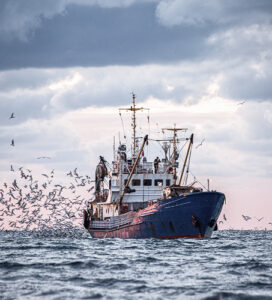
Capture fisheries present unique fish handling challenges due to variable environmental conditions and time constraints. Onboard handling practices such as rapid bleeding, chilling, and hygienic storage are essential to preserve quality. Selective fishing gear and improved onboard systems support better fish handling and reduce bycatch mortality. For catch-and-release fisheries, careful handling ensures higher post-release survival.
Challenges in Fish Handling
Despite advancements, fish handling remains complex. Variability in fish size, species, and behavior affects handling outcomes. Equipment failures, inadequate training, and poor environmental control can compromise quality and welfare. Balancing efficiency, cost, and ethical considerations requires continuous monitoring and adaptation of fish handling practices.
Technological Innovations in Fish Handling
Technology is reshaping fish handling across the seafood industry. Robotic handling systems reduce human error and physical stress on fish. These systems are increasingly used in high-volume processing facilities. Sensors monitor temperature, oxygen, and handling conditions in real time, enabling data-driven fish handling decisions. Integrated software platforms track handling parameters, quality metrics, and compliance data, improving transparency and control.
Sustainability and Ethical Considerations
Sustainable fish handling aims to minimize waste, reduce environmental impact, and promote responsible practices. Ethical considerations emphasize humane treatment and alignment with animal welfare standards. Improved fish handling contributes to sustainability by increasing yield, reducing spoilage, and supporting long-term resource management. The future of fish handling will be defined by smarter automation, stricter welfare standards, and increased digital integration. Energy-efficient equipment, closed-loop water systems, and advanced analytics will further improve handling outcomes. As consumer awareness grows, transparent and responsible fish handling practices will become a key competitive advantage.
Conclusion
Fish handling is a critical factor in determining seafood quality, fish welfare, and operational success. By applying best practices, investing in appropriate equipment, and embracing technological innovation, organizations can significantly improve their fish handling processes.
In an increasingly competitive and regulated seafood market, effective fish handling is not just an operational necessity but a strategic priority that supports quality, sustainability, and long-term growth.
